Get to Know Polymers: Types, Benefits and Industrial Applications
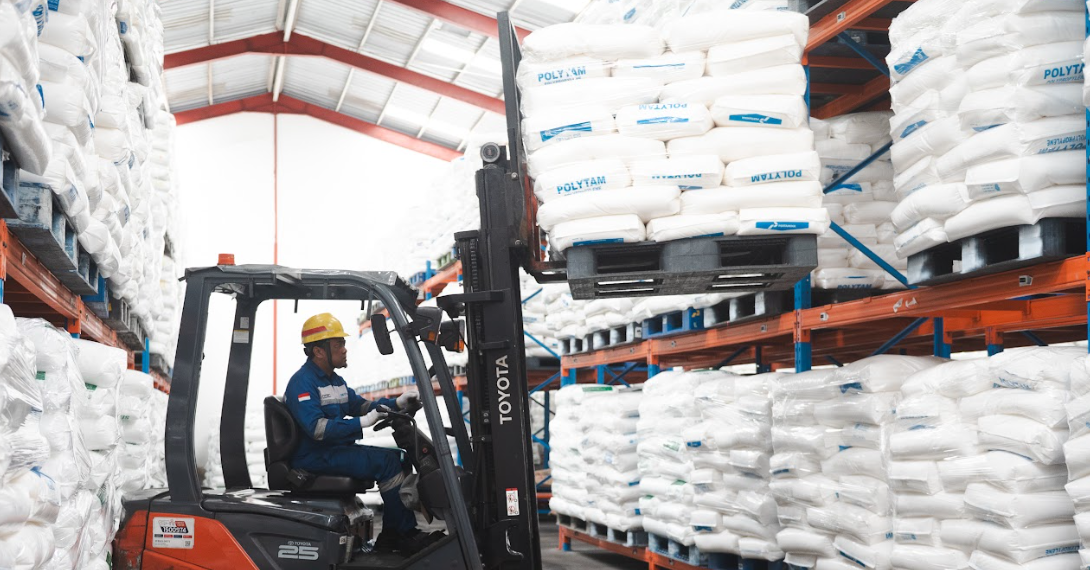
Polymers are macromolecular compounds consisting of long chains of repeating monomers. These materials possess unique properties such as flexibility, durability, and the ability to be molded into various products used in daily life and industry. Due to their lightweight, strength, and resistance to different environmental conditions, polymers have become essential materials in multiple sectors, including manufacturing, automotive, electronics, healthcare, and construction (Fried, 2014).
Types of Polymers
Polymers can be classified based on their source and mechanical or thermal properties.
Classification by Source
Natural Polymers: Originate from biological sources, such as natural rubber, proteins (collagen, silk), and polysaccharides (cellulose, starch). These polymers are widely used in the textile, medical, and food industries (Seymour & Carraher, 2003).
Synthetic Polymers: Chemically synthesized materials such as polyethylene (PE), polypropylene (PP), and polyvinyl chloride (PVC). These polymers offer enhanced durability and mechanical properties tailored to industrial needs (Mark, 2011).
Classification by Mechanical and Thermal Properties
Thermoplastics: Can be melted and reshaped multiple times without undergoing chemical changes. Examples include PE, PP, PVC, and PET, which are extensively used in packaging, construction, and the automotive industry.
Thermosetting Polymers: Cannot be remelted once they have undergone initial heating and molding. Examples include epoxy resins and polyurethanes, commonly used in adhesives and aircraft components.
Elastomers: Exhibit elastic properties, such as synthetic rubber, which is widely used in the automotive and healthcare industries.
Benefits of Polymers in Various Industries

Polymers provide extensive benefits across different sectors due to their lightweight, durability, and versatility.
Packaging Industry: Polymer-based plastics like PET and PE are used for water bottles, food packaging, and plastic films due to their lightweight and waterproof properties (Fried, 2014).
Automotive Industry: Polymers such as polypropylene and polyurethane are employed in vehicle interiors, bumpers, and coatings to reduce weight and enhance fuel efficiency.
Medical Field: Biocompatible polymers like polyethylene and silicone are used to manufacture medical equipment such as catheters, implants, and contact lenses.
Electronics Industry: Polymers like polycarbonate are utilized for electronic device casings, while conductive polymers play a role in flexible displays and lithium-ion batteries.
Construction Sector: PVC is extensively used for pipes, flooring, and windows due to its durability and resistance to extreme environmental conditions.
Conclusion
Polymers play a crucial role in modern industries, offering innovative solutions due to their adaptability and durability. Their diverse applications across various sectors highlight the importance of continued research and development to enhance their sustainability and efficiency.
References
Fried, J. R. (2014). Polymer Science and Technology. Pearson Education.
Mark, H. F. (2011). Encyclopedia of Polymer Science and Technology. Wiley.
Seymour, R. B., & Carraher, C. E. (2003). Polymer Chemistry: An Introduction. CRC Press.