Get to Know Plastic Resin Code
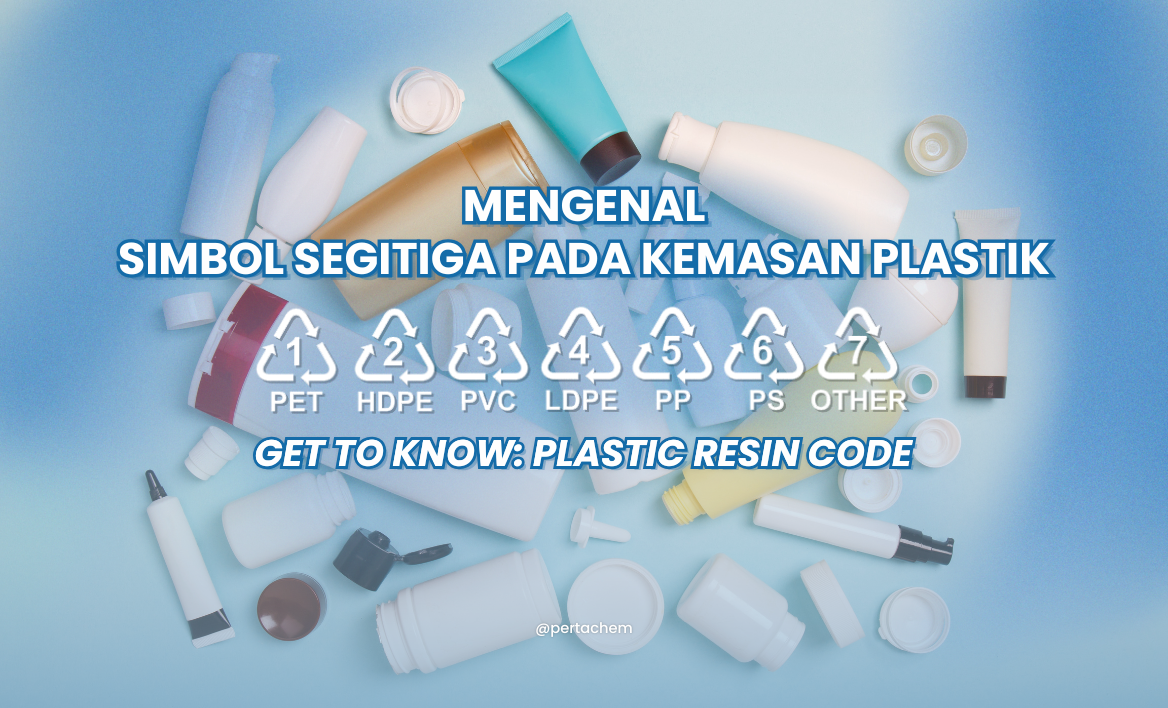 Plastic symbols, commonly found on packaging and everyday products, serve an essential function in providing information about the type of plastic used and how it should be properly recycled. Understanding the meaning of plastic symbols helps consumers sort waste correctly and support environmentally friendly practices.
Definition and Plastic Symbol Codes
Plastic symbols consist of numbers enclosed within a triangular recycling symbol, known as the Resin Identification Code (RIC). Each number represents a specific type of plastic resin, its properties, and its recyclability.
Explanation of Plastic Symbols
Polyethylene Terephthalate (PETE or PET) is identified by Code 1. PET is considered safe for single use but is not recommended for repeated use, as it may release harmful chemicals over time. It is commonly used in beverage bottles, food packaging, and detergent bottles. PET can be recycled into polyester fabric, carpets, and new plastic containers.
High-Density Polyethylene (HDPE) is identified by Code 2. HDPE is a safe and durable plastic, making it suitable for food and beverage applications. It is commonly found in milk jugs, water gallon containers, and plastic bags. HDPE can be repurposed into new bottles, plastic pipes, and outdoor furniture.
Polyvinyl Chloride (PVC) is identified by Code 3. PVC is commonly used for pipes, flooring tiles, and certain food packaging. It is not recommended for direct contact with food and beverages due to the presence of potentially hazardous additives. PVC is difficult to recycle and often contains harmful substances, making its reuse limited.
Low-Density Polyethylene (LDPE) is identified by Code 4. LDPE is commonly used in plastic bags, food wraps, and soft plastic bottles. This type of plastic is relatively safe for food storage. LDPE can be recycled into shopping bags and other flexible plastic products.
Polypropylene (PP) is identified by Code 5. PP is a heat-resistant plastic widely used in yogurt containers, straws, and bottle caps. It is highly versatile and can be recycled into automotive components and new plastic containers.
Polystyrene (PS) is identified by Code 6. PS is not recommended for hot food or beverages due to its potential to leach harmful chemicals. It is commonly found in Styrofoam, electronic packaging, and disposable tableware. PS is difficult to recycle and often ends up in landfills.
Other (Mixed Plastics) are identified by Code 7. This category includes a variety of plastic resins, including polycarbonate (PC) and bioplastics. Some plastics under this category contain Bisphenol A (BPA), a chemical that may pose health risks. It is commonly used for large water gallon bottles, electronic components, and baby bottles. Due to the mixture of plastic types, Code 7 plastics are challenging to recycle.
By understanding these classifications, consumers can make informed choices to reduce environmental impact by properly sorting recyclable materials and selecting safer plastic products. Additionally, promoting circular economy practices enhances sustainable plastic waste management.
Conclusion
Plastic symbols are more than just numbers within a triangle; they provide crucial information regarding the material, safety, and recyclability of plastic products. By increasing awareness of plastic codes, we can contribute to a cleaner and healthier environment.
References
Andrady, A. L., & Neal, M. A. (2009). Applications and societal benefits of plastics. Philosophical Transactions of the Royal Society B: Biological Sciences, 364(1526), 1977-1984. https://doi.org/10.1098/rstb.2008.0304
Hopewell, J., Dvorak, R., & Kosior, E. (2009). Plastics recycling: Challenges and opportunities. Philosophical Transactions of the Royal Society B: Biological Sciences, 364(1526), 2115-2126. https://doi.org/10.1098/rstb.2008.0311
Thompson, R. C., Moore, C. J., vom Saal, F. S., & Swan, S. H. (2009). Plastics, the environment and human health: Current consensus and future trends. Philosophical Transactions of the Royal Society B: Biological Sciences, 364(1526), 2153-2166. https://doi.org/10.1098/rstb.2009.0053